- The Bench Brief
- Posts
- 📰 📊Inside the newsroom: Climate visuals, media layoffs and AI’s evolving role
📰 📊Inside the newsroom: Climate visuals, media layoffs and AI’s evolving role
From interactive climate coverage to AI-assisted reporting and environmental investigations, these pieces examine how journalism is evolving.

Storybench
February 06, 2026
Hey there, Benchers!
This week’s newsletter looks into how journalists use data, technology and investigative tools to explain complex issues and adapt to changes. From climate visuals and newsroom layoffs to AI workflows and environmental accountability, these stories spotlight how reporting is evolving.
Let’s dig in!
Here is our featured content this week:
🌍 📊 How media frame climate change
Climate coverage can look very different depending on editorial choices, from localizing warming in a city to mapping broad shifts in climate zones to presenting climate decisions as interactive choices. This story highlights how visual storytelling tools such as maps, charts and interactive elements help journalists make climate data relatable and visible, whether focusing on lived experiences, global systems or future scenarios.

📰 ⚠️ Layoffs at The Washington Post gut an innovative newsroom
The Washington Post laid off more than 300 newsroom staff, cutting creative and data visualization teams alongside sports and books. The Storybench article reflects on the impact of the layoffs on the paper’s visual journalism and engagement work, linking to examples of innovative projects by teams now affected.

At a REINVENT: a video innovation summit at Northeastern University media summit, industry leaders argued that artificial intelligence tools can free journalists from routine tasks, allowing more time for reporting and community engagement. Will AI complement newsroom work or will it potentially create new roles? Trough concerns about ethics, business models, and environmental costs, read more here.

Cool Stuff Corner: What are we reading?
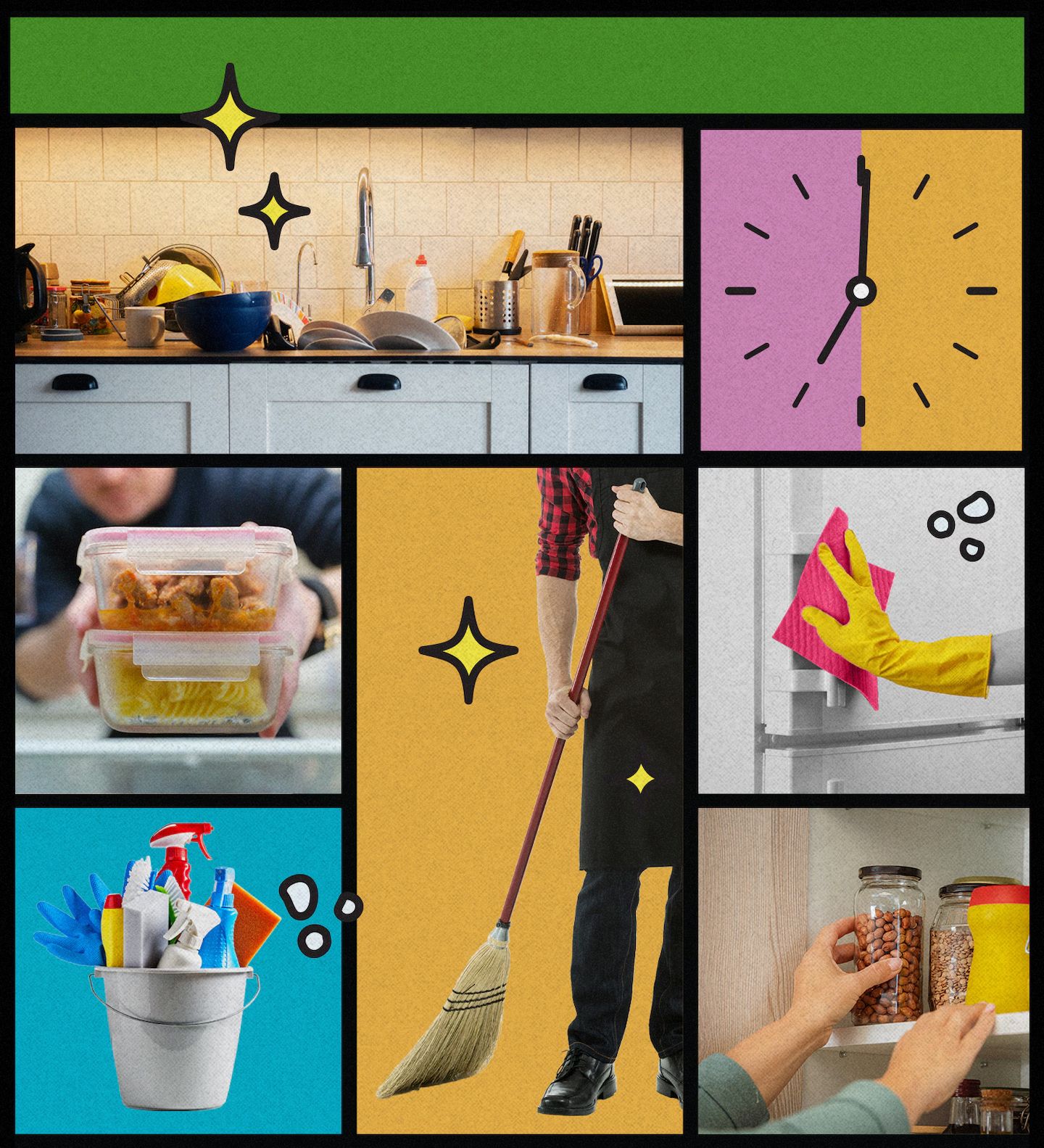
🧽 ⏱️Getting your kitchen clean quickly
A 10‑step routine that will get your kitchen clean quickly — A Washington Post lifestyle piece offers a structured 10-step kitchen cleaning routine designed to make daily or weekly chores more efficient and even enjoyable by borrowing concepts from the Korean 10-step skincare method. The sequence begins outside the kitchen by collecting stray dishes, then moves through organizing food, checking the fridge and pantry, washing and putting away dishes, and wiping down surfaces and floors. Final steps focus on routine maintenance such as running the disposal and dishwasher and replacing dish cloths. The routine is customizable, with estimated times for each task to help readers adapt it to their own homes and habits.
From the Vault 🏦
🌅 🔍Breaking a new dawn: investigative journalist Chai Jing’s new chapter
Chinese investigative journalist Chai Jing, known for her impactful environmental reporting, has continued her work from Barcelona through independent documentaries and online platforms. After her widely viewed Under the Dome film was censored in China, she returned to journalism with new projects and emphasized direct engagement with audiences and evolving media formats. Check it out

🏭 🗺️How journalists use the EPA’s toxic release inventory to report on environmentalist justice
Journalists have long used the EPA’s Toxics Release Inventory (TRI) to uncover patterns in industrial pollution and environmental injustice. Reporting using TRI has influenced public awareness and regulatory responses, though the data have limitations; experts encourage broader use of the database as a starting point for local accountability stories. Click here

That's all we've got for this week! Thanks for reading, and let us know if there's anything you'd like to see in these newsletters or in our coverage at [email protected].
And follow us on Instagram, Twitter (or X, or whatever) and LinkedIn for live updates on stories each week!